Since the birth of Sushi, the evolution of sushi never stop but we still can categorize the sushi into some large catalogue. There is a saying that goes like this “ If you go to Xian and eat a kind of noodle a day and you will never eat the same recipe in one year ” I think this is the same for the Japanese Sushi and even longer time if you want to try all kinds of varieties. The category below is like a road map and give the new comer a guide to explore the sushi world. But I hope you will realize that the list can go on with no end. You will be shocked by the creativity of the Japanese people if you have the chance to go across Japan and visit different part of Japan. With the change of the ingredients and shape. The permutation and combination of sushi varieties can be countless.
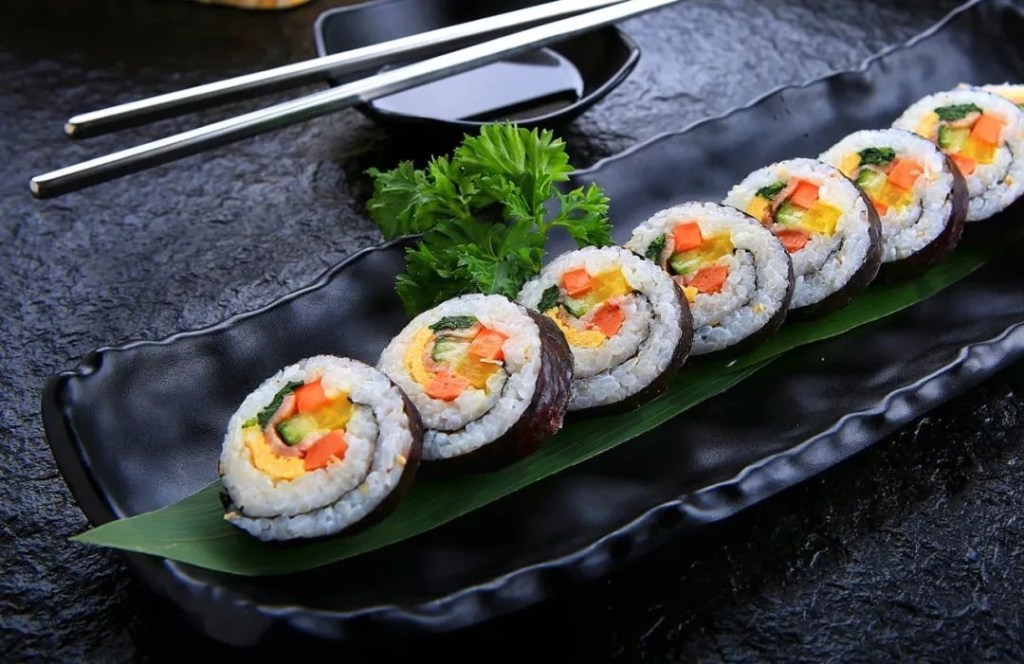
Maki-sushi
Put a layer of seaweed on the small bamboo curtain, then spread a layer of rice, put ingredients in the middle, roll up into a long roll, and then cut into small pieces.
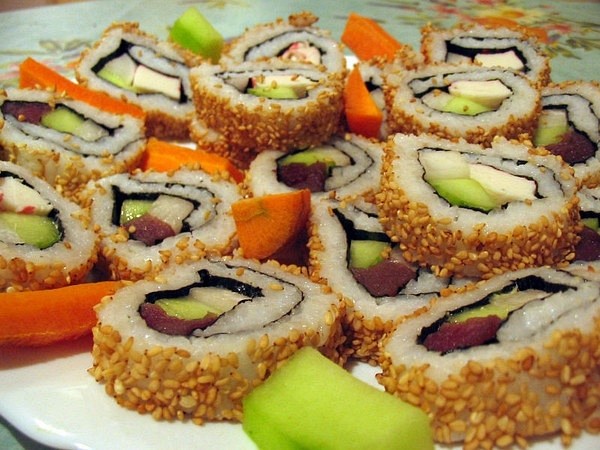
Futo-maki
A kind of roll sushi with a thick diameter, usually with several ingredients.
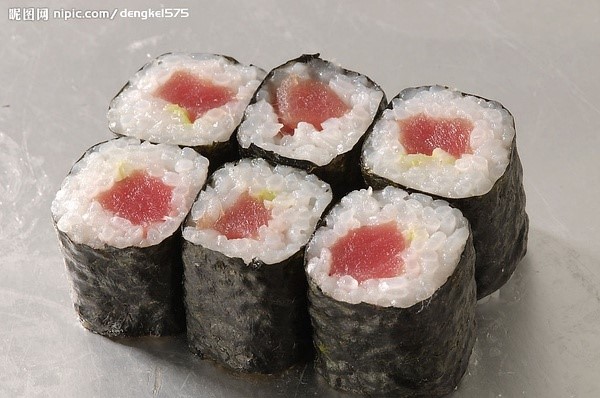
Hoso-maki
A thinner roll, usually contain only one ingredient.
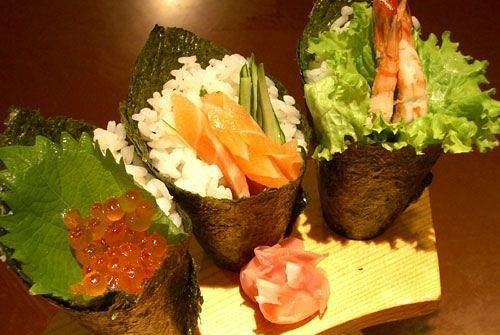
Te-maki
Sushi rolls are shaped like cones (similar to ice cream cones) which are difficult to hold with chopsticks, so they are usually eaten by hand.
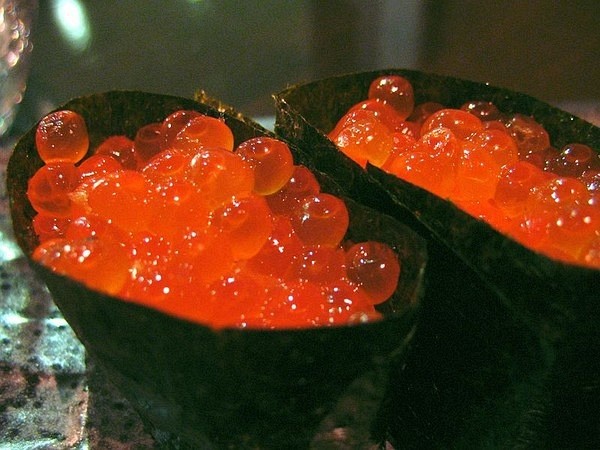
Gunkan-maki
The rice is wrapped in seaweed in an oval shape and the ingredients are placed on top.
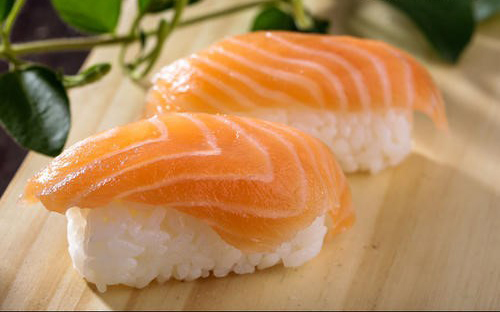
Nigiri-sushi
(Rising during the Edo period) the rice is shaped in bite-size by hands, spread with Japanese wasabi and topped with different ingredients.
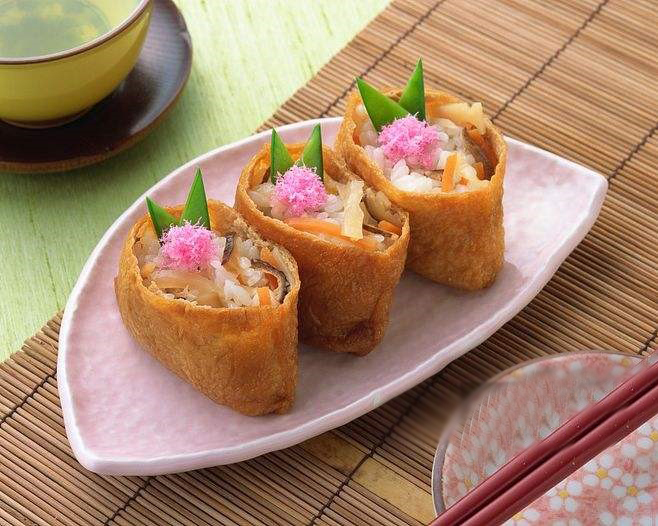
Inari-sushi
Rice with ingredients. The ingredients are usually fried tofu skin, Fried eggs, cabbage and so on. The sweet taste is loved by children.
 sushi
sushi 